Workplace Social Anxiety: LSAS Identifies Your Professional Triggers
Feeling your heart pound before a team meeting? Do you spend days dreading a presentation or find yourself avoiding after-work networking events? You're not alone. Many talented professionals experience a distinct form of social anxiety specifically tied to their careers. It’s more than just pre-presentation jitters; it’s a persistent pattern of fear and avoidance that can impact your confidence and career growth. The first step to managing these feelings is understanding them, and that's where the lsas can be an invaluable tool. Do I have social anxiety or am I just shy? This question is a crucial starting point, and gaining clarity can be empowering. Taking a structured approach to self-assessment is the best way to begin your journey toward professional comfort, and you can start your free test today.
Recognizing Workplace Social Anxiety Symptoms
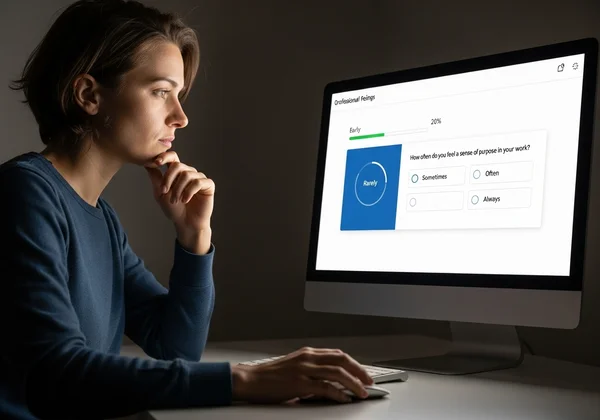
Workplace social anxiety isn't a weakness; it's a specific response to performance and social situations in a professional environment. Unlike general shyness, which is a personality trait, social anxiety involves an intense fear of being judged, scrutinized, or negatively evaluated by colleagues, managers, or clients. This fear can manifest in various physical, cognitive, and behavioral symptoms that disrupt your workday and overall well-being.
Common Scenarios: Meetings, Presentations, & Networking
For many, fear of public speaking is the most obvious trigger. This can include anything from leading a major presentation to simply introducing yourself in a small group. Other common scenarios that provoke anxiety include:
- Speaking up in meetings: You might have brilliant ideas but fear you'll say something wrong, stumble over your words, or have your contribution dismissed.
- Interacting with authority figures: One-on-one meetings with a boss or senior leader can feel like an interrogation, causing you to freeze up.
- Networking events: The pressure of making small talk, introducing yourself to strangers, and "selling" yourself can be overwhelming.
- Collaborative projects: Working closely with peers can trigger fears of not contributing enough, being judged for your work process, or handling constructive criticism poorly.
- Informal office interactions: Even casual chats in the breakroom or at lunch can feel like a performance, leading to avoidance of colleagues.
The Impact on Your Career and Well-being
Left unaddressed, workplace social anxiety can significantly hinder your career development. You might pass up opportunities for promotion that involve more public-facing roles, avoid taking the lead on projects, or struggle to build the professional relationships necessary for advancement. This avoidance can create a frustrating cycle: you avoid situations that cause anxiety, which in turn prevents you from building the skills and confidence needed to overcome it. This can lead to feelings of stagnation, professional isolation, and even burnout as you expend enormous mental energy just to navigate a typical workday.

The LSAS Test: Uncovering Your Professional Social Triggers
To effectively manage these challenges, you first need to identify and measure them. The Liebowitz Social Anxiety Scale (LSAS) is a globally recognized and scientifically validated tool designed to do just that. It provides a clear, quantitative measure of your social fear and avoidance, helping you pinpoint the exact situations that cause you distress.
What the Liebowitz Social Anxiety Scale Measures
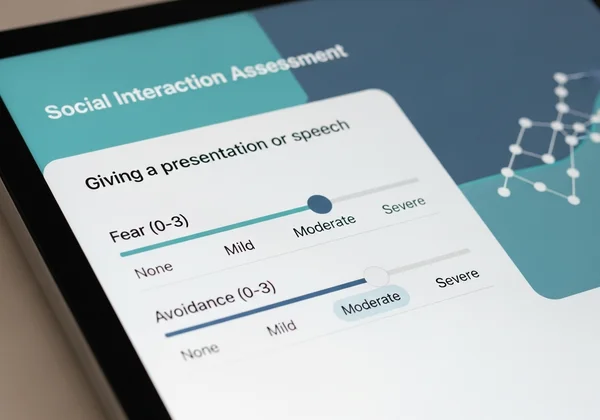
Developed by psychiatrist and researcher Dr. Michael R. Liebowitz, the LSAS is considered a gold standard for assessing social anxiety. The test consists of 24 questions that cover a broad range of social and performance situations. For each situation, you rate two things:
- Fear: The level of fear or anxiety you feel in that situation.
- Avoidance: How often you avoid that situation.
This dual-measurement system is what makes the LSAS so insightful. It distinguishes between feeling anxious but pushing through (high fear, low avoidance) and letting anxiety dictate your actions (high fear, high avoidance). Your results from the free LSAS assessment provide separate scores for fear and avoidance, as well as a total score that indicates the overall severity of your social anxiety.
How LSAS Questions Relate to Work Situations
While the LSAS covers general social scenarios, many of its questions map directly onto the professional world. A question about "speaking to a small group of people" clearly relates to team meetings. "Expressing a disagreement to someone you don't know very well" is a core part of professional negotiation and collaboration. By completing the test, you can begin to see patterns in your responses that directly reflect your professional social triggers. This isn't just about getting a number; it's about gaining a structured understanding of your unique professional challenges.
Interpreting Your LSAS Scores for Work-Specific Insights
Receiving your LSAS score is the first step. Understanding what it means in the context of your career is the next. The score provides a benchmark, helping you move from a vague feeling of "anxiety at work" to a specific understanding of your experience. On our platform, you get an instant interpretation of your results, helping you make sense of your score immediately.
Understanding Your Fear and Avoidance Subscores
Your subscores offer critical insights. A high fear score with a lower avoidance score might suggest that you are a "white-knuckler"—you force yourself into uncomfortable work situations but at great mental cost. This can lead to exhaustion and burnout. Conversely, a high avoidance score might mean that your anxiety is actively limiting your career opportunities, as you steer clear of roles and responsibilities that could lead to growth. Recognizing which pattern applies to you is key to developing an effective management strategy. Why not discover your results to see your personal pattern?
When to Seek Professional Support for Work-Related Social Anxiety
The LSAS is an assessment tool, not a diagnostic one. It provides valuable information for self-reflection and can be an excellent resource to bring to a discussion with a mental health professional. If your score indicates moderate to severe social anxiety, or if your symptoms are causing significant distress and impairing your ability to function at work, it is highly recommended to seek support from a therapist or counselor. They can provide a formal diagnosis and guide you through evidence-based treatments like Cognitive Behavioral Therapy (CBT).
Actionable Strategies for Managing Performance Anxiety at Work
Understanding your triggers is powerful, but taking action is transformative. Armed with insights from your LSAS for career assessment, you can begin implementing strategies to manage your anxiety and build confidence in professional settings.
Cognitive Behavioral Techniques for the Office
Cognitive Behavioral Therapy (CBT) is one of the most effective methods for managing social anxiety. It focuses on identifying and changing unhelpful thought patterns and behaviors. You can apply its principles at work:
- Challenge Negative Thoughts: When you fear judgment, ask yourself: "What's the evidence my boss thinks my idea is foolish?" or "What is a more balanced way to view this situation?"
- Shift Your Focus: In a meeting, instead of focusing inward on your racing heart, focus outward on what the speaker is saying. Listen actively and concentrate on the content of the discussion.
- Practice Gradual Exposure: Start small. If speaking in large meetings is terrifying, set a goal to speak once in a smaller team huddle. Build your way up slowly to desensitize your fear response.
Building Confidence in Professional Interactions
Confidence isn't something you're born with; it's a skill you build through practice.
-
Prepare and Rehearse: Feeling prepared can dramatically reduce anxiety. Before a presentation, practice it until you feel comfortable with the material. Before a networking event, think of a few open-ended questions you can ask.
-
Set Realistic Goals: Aim for progress, not perfection. Your goal doesn't have to be "never feel anxious again." A more realistic goal is "contribute one idea in the next project meeting."
-
Celebrate Small Wins: Acknowledge your progress. Every time you face a situation you would normally avoid, you are rewiring your brain and building resilience.

Leveraging Your AI Report for Deeper Workplace Insights
While a standard LSAS score is incredibly useful, our platform offers a unique next step. After completing the free test, you have the option to unlock an AI-powered deep analysis report. This report transforms your score from a static number into a dynamic, personalized roadmap for growth. It analyzes your unique response patterns to provide insights specifically tailored to you.
Unpacking Personalized Triggers and Strengths
The AI report goes beyond the 24 questions to identify your specific workplace anxiety profile. It might highlight that your anxiety is primarily driven by performance situations (like presentations) rather than informal social ones (like office parties). It can also identify hidden strengths, such as situations where your fear is high but you consistently choose not to avoid them, demonstrating significant resilience. Understanding these nuances is crucial for creating an effective plan.
Creating a Personalized Growth Plan for Workplace Comfort
The ultimate goal of the AI report is to empower you with actionable steps. It provides personalized growth suggestions based on your unique profile. For someone who fears speaking to authority, it might suggest specific communication techniques. For another person struggling with networking, it might offer strategies for initiating and ending conversations gracefully. This report acts as a bridge between understanding your anxiety and actively managing it for a more comfortable and successful career. Explore your triggers with our advanced AI analysis.
Take Control: Your Path to Professional Comfort Starts Here
Navigating workplace social anxiety can feel isolating, but you have the power to understand and manage it. It begins with taking that first, crucial step: identifying your personal triggers and understanding the severity of your anxiety. The Liebowitz Social Anxiety Scale is the most reliable tool for this self-discovery.
Don't let fear dictate your career path any longer. Gain the clarity you need to move forward with confidence. Take the free LSAS assessment today and unlock the insights that will pave the way for a more comfortable and fulfilling professional life.
Frequently Asked Questions About Workplace Social Anxiety & LSAS
Do I have social anxiety or am I just shy in professional settings?
Shyness is a personality trait involving discomfort or inhibition in new situations or with unfamiliar people, but it typically doesn't cause significant distress. Workplace social anxiety, on the other hand, involves an intense, persistent fear of being judged or humiliated, leading to significant anxiety and often, avoidance of professional situations. The LSAS test can help quantify these feelings to give you a clearer picture.
What are the grades of social anxiety specific to the workplace?
While the LSAS provides general severity ratings (e.g., mild, moderate, marked, severe), you can apply them to a work context. Mild social anxiety might mean you feel nervous before presentations but can manage. Severe social anxiety could mean you actively turn down promotions or call in sick to avoid triggering events. Your score helps you understand where you fall on this spectrum.
How can I get an LSAS score relevant to my career challenges?
The best way is to take a complete, 24-question Liebowitz Social Anxiety Scale test. While answering, keep your professional life in mind. The scenarios presented will likely resonate with challenges you face at work. You can get your LSAS score instantly on our platform, providing a reliable and relevant measure of your workplace social comfort.