The LSAS & Social Anxiety Disorder: An Ultimate Guide to Social Phobia
Feeling overwhelmed by social situations? Do you find yourself constantly worrying about being judged by others? You're not alone. Many people grapple with these feelings, often wondering, do I have social anxiety or am I just shy? This ultimate guide is here to provide clarity on Social Anxiety Disorder, also known as Social Phobia. We will explore its common signs, potential causes, and effective ways to manage it, empowering you to take the first step toward understanding your social comfort. For a structured look into your own feelings, a social anxiety self-assessment can be a great starting point.
What is Social Anxiety Disorder (Social Phobia)?
Social Anxiety Disorder is more than just feeling nervous before a speech or shy in a new group. It's a persistent and intense fear of being watched, judged, or scrutinized by others. This fear can be so overwhelming that it interferes with daily routines, work, school, and relationships. People with social phobia often go to great lengths to avoid situations that trigger their anxiety.
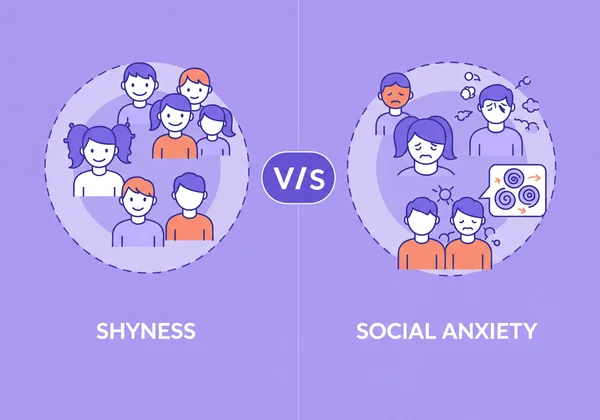
Unlike shyness, which is a personality trait involving reserved or awkward behavior in new situations, social anxiety is a mental health condition. The key difference lies in the intensity of the fear and the level of impairment it causes in a person's life.
Shyness vs. Social Anxiety: Understanding the Difference
It's crucial to distinguish between these two experiences. Shyness is often short-lived and doesn't typically cause the same level of distress. A shy person might feel uneasy at a party but can eventually warm up. Someone with social anxiety, however, may experience intense anticipatory anxiety for weeks leading up to the event, suffer through it with debilitating fear, and then spend days analyzing their every interaction afterward. This cycle of fear and avoidance is a hallmark of the disorder.
The Prevalence and Impact of Social Anxiety
Social Anxiety Disorder is one of the most common mental health conditions worldwide. It often begins in the early teenage years and can persist if left unaddressed. The impact can be significant, leading to social isolation, missed career or educational opportunities, low self-esteem, and depression. Recognizing that this is a real and treatable condition is the first step toward reclaiming your life from the grip of fear.
Exploring the Causes of Social Anxiety
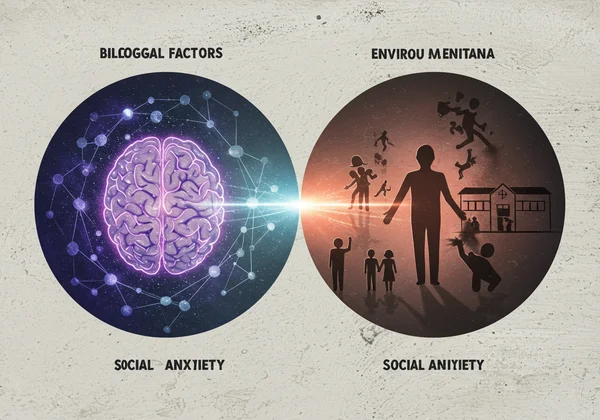
There isn't a single cause for social anxiety; rather, it's believed to stem from a complex interplay of various factors. Understanding these potential origins can help demystify the experience and foster self-compassion.
Biological and Genetic Factors
Research suggests that genetics can play a role. If you have a family member with social anxiety, you may have a slightly higher predisposition to it. Brain chemistry is also a factor. An overactive amygdala—the brain's fear center—can trigger a heightened threat response in social situations. Additionally, an imbalance in serotonin, a key neurotransmitter for mood regulation, may contribute to feelings of anxiety.
Environmental and Psychological Contributors
Life experiences are powerful shapers of our social comfort levels. Negative social experiences, such as bullying, public humiliation, or family conflict, can create lasting fears. Furthermore, some individuals may learn anxious behaviors by observing the actions of parents or others. An upbringing that was overly critical, controlling, or protective can also inhibit the development of social confidence.
Recognizing the Symptoms of Social Anxiety (Social Phobia)
The symptoms of social phobia can be broken down into physical, emotional, and behavioral categories. You may not experience all of them, but a persistent pattern is a strong indicator.
Physical Manifestations of Social Anxiety
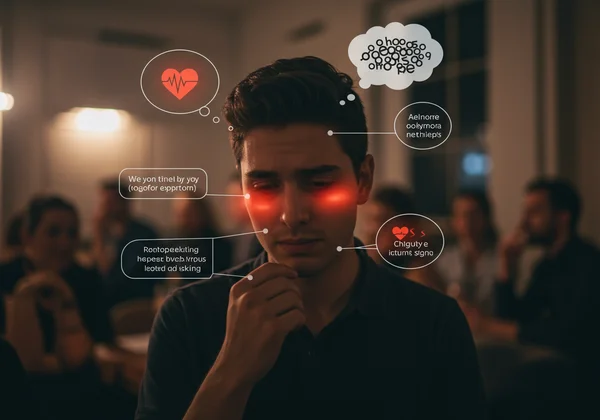
When faced with a feared social situation, your body's "fight or flight" response can kick in, leading to very real physical symptoms. These often include:
- Blushing or turning red
- Rapid heartbeat and shortness of breath
- Sweating, trembling, or shaking
- Nausea or an upset stomach
- Dizziness or lightheadedness
- A feeling that your mind has gone blank
Emotional and Cognitive Signs
Internally, social anxiety is a storm of negative thoughts and intense emotions. These cognitive patterns are often the core of the disorder and can include:
- Intense worry about social situations for days or weeks beforehand.
- Overwhelming fear of being judged, embarrassed, or humiliated.
- Fear that others will notice you are anxious.
- Expecting the worst possible outcome from a social interaction.
- Harsh self-criticism and analysis of your performance after a social event.
Behavioral Patterns and Avoidance
The most defining characteristic of social anxiety is avoidance. To prevent the distress caused by social triggers, individuals may actively avoid situations that make them uncomfortable. This can manifest as:
- Avoiding places where there are people, like parties or shopping centers.
- Staying quiet or hiding in the background to avoid being noticed.
- Avoiding eye contact or speaking to people in authority.
- Only bringing a friend along to social events for support.
- Using alcohol as a crutch to endure social interactions.
If these patterns resonate with you, taking a confidential social phobia test can provide valuable insights into your experiences.
Navigating Treatment & Management Options
The good news is that Social Anxiety Disorder is highly treatable. With the right strategies and support, you can learn to manage your symptoms and live a full, confident life. The journey begins with understanding your specific challenges.
Effective Therapies: CBT, Exposure, and More
Cognitive-Behavioral Therapy (CBT) is considered the gold standard for treating social anxiety. It helps you identify and challenge the negative thought patterns that fuel your fear. A therapist will work with you to reframe these thoughts and gradually face the social situations you fear (exposure therapy) in a safe, controlled way.
The Role of Medication in Social Anxiety Management
For some individuals, particularly those with severe symptoms, medication can be a helpful tool. Antidepressants like SSRIs can help balance brain chemistry, reducing the intensity of the anxiety. Medication is often used in combination with therapy to provide comprehensive support. Always consult a medical professional to discuss if this is the right option for you.
Self-Help Strategies and Lifestyle Adjustments
You can also take proactive steps in your daily life to manage social anxiety. Practicing mindfulness and deep breathing exercises can calm your physical symptoms. Making lifestyle changes like regular exercise, a balanced diet, and sufficient sleep can significantly improve your overall mood and resilience. Starting small, by gradually exposing yourself to low-stakes social situations, can help build confidence over time.
Taking the Next Step: How the LSAS Can Help You Understand Your Social Comfort
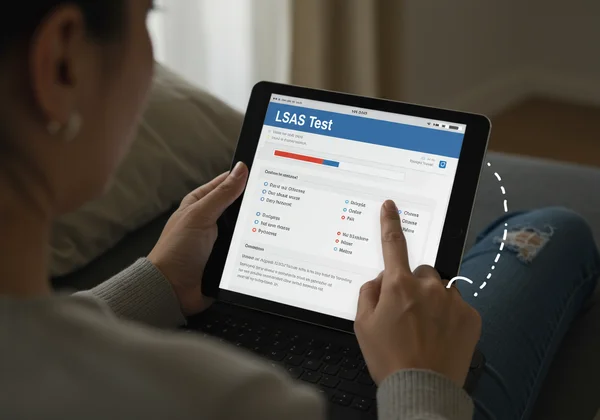
Understanding the specifics of your social anxiety is a crucial first step toward managing it. The Liebowitz Social Anxiety Scale (LSAS) is a clinically recognized tool designed to assess how fear and avoidance impact you across various social situations. On our platform, you can take the free LSAS test anonymously and receive an instant score interpretation. This assessment provides a clear, quantitative look at your social comfort levels, helping you identify specific triggers. For those wanting to dig deeper, an optional AI-powered report can offer personalized insights and actionable advice, serving as a bridge between self-discovery and seeking professional help.
Empowering Your Journey: Understanding and Overcoming Social Anxiety
Living with social anxiety can feel isolating, but it doesn't have to define you. By understanding what it is, where it comes from, and how it manifests, you've already taken a powerful step toward empowerment. Knowledge is the foundation for change, and recognizing that your struggles are part of a manageable condition can bring immense relief.
Your journey is unique, but you don't have to walk it alone. Tools and resources are available to help you navigate your path. We encourage you to take the next step today. Visit LSAS.me to gain a deeper understanding of your social comfort with our free, confidential assessment.
Your Questions About Social Anxiety Answered
Do I have social anxiety or am I just shy?
While both involve discomfort in social settings, the main difference is intensity and impact. Shyness is a personality trait that causes mild, temporary discomfort. Social anxiety is a mental health condition characterized by intense, persistent fear and avoidance that significantly disrupts your daily life. If social fear dictates your choices and limits your potential, it's likely more than shyness.
What are the different grades or levels of social anxiety?
Social anxiety exists on a spectrum. Assessment tools like the LSAS categorize severity into levels such as mild, moderate, marked, or severe based on a scoring system. A mild level might cause distress in specific performance situations (like public speaking), while a severe level can make almost all social interactions feel unbearable. A free LSAS assessment can help you understand where you might fall on this spectrum.
What is considered severe social anxiety and when should I seek professional help?
Severe social anxiety is typically defined by scores in the highest range on clinical scales and involves pervasive fear and avoidance across most social situations. If anxiety is causing significant impairment in your work, school, or personal relationships—for example, if you're turning down promotions, skipping classes, or unable to form friendships—it is highly recommended that you seek help from a mental health professional.
How can an LSAS test help me understand my social anxiety?
An LSAS test, like the one offered on our site, provides a structured and objective way to measure your social anxiety. It asks you to rate your fear and avoidance across 24 common social situations. The final score helps quantify the severity of your anxiety and pinpoints which scenarios are most challenging for you. This data from the LSAS online test can be an excellent starting point for self-reflection or a valuable document to share with a therapist to make your sessions more productive.