How Do I Know If I Have Anxiety? Signs, Self-Check Questions, and Next Steps
If you have been asking, "how do I know if I have anxiety," you are probably trying to separate a normal human stress response from a pattern that deserves more attention. That question is especially common when worry shows up in your body, interrupts sleep, changes how you act around people, or makes ordinary decisions feel unusually heavy. This guide cannot tell you what condition you have, but it can help you notice useful signals, ask better self-check questions, and decide what kind of support might fit. If your anxiety is strongest in social situations, LSAS.me offers a private LSAS self-reflection tool that can help you explore social fear and avoidance patterns in a structured way.

What Anxiety Usually Feels Like
Anxiety is your mind and body preparing for possible threat. In short bursts, it can be useful: you pay attention, plan ahead, and move carefully. It becomes more concerning when the alarm keeps sounding even when the situation is manageable, unclear, or already over.
The experience can be mental, physical, and behavioral at the same time. Mentally, you may notice racing thoughts, repeated "what if" loops, fear of embarrassment, or a sense that something bad is about to happen. Physically, anxiety can involve a tight chest, faster heartbeat, stomach discomfort, sweating, muscle tension, dizziness, or shallow breathing. Behaviorally, it often pushes people toward checking, reassurance seeking, procrastination, irritability, or avoidance.
The key is not whether you ever feel anxious. Everyone does. The more useful question is whether anxiety is frequent, intense, hard to settle, or changing your choices in a way that makes life smaller.
Five Warning Signs That Anxiety May Need Attention
A practical self-check starts with patterns, not isolated moments. One stressful week before an exam, interview, move, breakup, or health scare does not mean anxiety has become a bigger issue. But several signs together can suggest that it is time to slow down and look more carefully.
First, worry feels difficult to control. You may understand that a fear is unlikely, but still feel pulled back into it again and again. Second, your body reacts often, even during routine situations. Digestive upset, tension headaches, trembling, and fatigue can all appear when your nervous system stays activated for too long. Third, sleep becomes disrupted. You may struggle to fall asleep, wake early, or feel tired even after enough time in bed.
Fourth, avoidance starts shaping your calendar. You skip meetings, delay calls, cancel plans, avoid eating around others, or turn down opportunities because the anticipatory anxiety feels too high. If this mainly happens around being watched, judged, performing, or speaking with others, a free social anxiety self-check can give you a more organized view of those social patterns. Fifth, anxiety interferes with daily roles. Work, school, parenting, relationships, and basic errands may still happen, but they require much more effort than they used to.
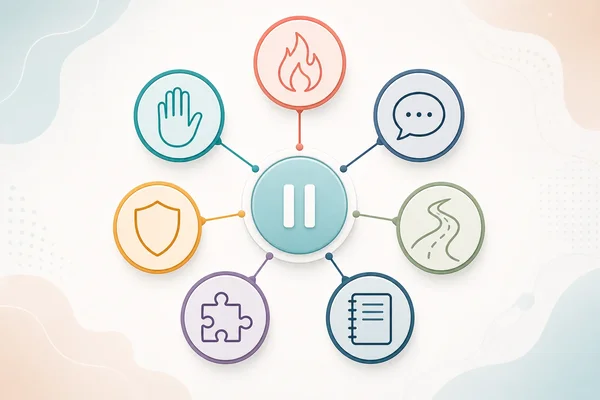
How to Tell Whether It Is Everyday Stress or a Larger Pattern
Everyday stress usually has a clearer trigger and improves when the situation changes. You might feel nervous before a presentation, then recover afterward. You might worry about money during an expensive month, then feel steadier once you have a plan. Anxiety that deserves more attention tends to spread beyond the original trigger, last longer than expected, or make neutral situations feel unsafe.
Ask yourself four questions:
- How often does this happen in a typical week?
- How intense does it feel in my body?
- How much does it change what I do?
- How long has this pattern been present?
Frequency, intensity, impairment, and duration matter more than any single symptom. A person who worries often but still sleeps, connects, works, and recovers may need stress management and support. A person whose anxiety repeatedly blocks ordinary tasks may benefit from a professional conversation, especially if the pattern has lasted for weeks or months.
It can also help to compare fear and avoidance. Fear is what you feel internally. Avoidance is what you do to escape or prevent the feeling. Avoidance often brings short-term relief, but it can quietly train the brain to treat more situations as dangerous.
How Do I Know If I Have Social Anxiety, Separation Anxiety, or General Anxiety?
Different anxiety patterns can look similar from the inside because many share the same body alarm system. The difference is often the theme.
Social anxiety centers on possible scrutiny. You may fear saying something awkward, being visibly nervous, blushing, eating in front of others, speaking up, meeting new people, or being evaluated. The pattern often includes avoidance or endurance with intense discomfort. LSAS.me focuses on this area by using the Liebowitz Social Anxiety Scale framework to help people reflect on fear and avoidance across social and performance situations.
Separation anxiety centers on being apart from an attachment figure, home, or a source of safety. It is often discussed in children, but adults can also experience intense distress about separation, loss, or being unable to reach someone important.
General anxiety is broader. It may move across health, money, work, family, safety, future mistakes, and responsibilities. The worry may feel hard to contain because the target keeps changing.
These categories are not boxes you need to force yourself into. They are clues. If your question is "how do I know if I have an anxiety disorder," a safer way to frame it is: which patterns are showing up, how much are they affecting my life, and would a qualified professional help me understand them better?
How Do I Know If I Have Anxiety or Depression?
Anxiety and depression can overlap, and many people experience features of both. Anxiety often feels like high alert: worry, tension, restlessness, scanning for danger, and avoiding feared outcomes. Depression often feels like shutdown: low mood, loss of interest, low energy, hopelessness, slowed thinking, or withdrawal because things feel pointless rather than threatening.
The difference is not always clean. Poor sleep, trouble concentrating, appetite changes, irritability, and fatigue can show up in both. Some people feel anxious because they are depressed and worried about falling behind. Others feel depressed because long-term anxiety has made life feel restricted.
Try asking what emotion is driving the behavior. Are you avoiding the party because you fear judgment, or because nothing sounds enjoyable? Are you unable to start work because you are worried about mistakes, or because you feel numb and heavy? These reflections are not final answers, but they can make a professional conversation clearer.

What to Do When Anxiety Hits Suddenly
When anxiety spikes, your first goal is not to solve your whole life. It is to help your nervous system come down enough that you can think again.
One simple grounding exercise is the 3-3-3 rule: name three things you can see, notice three sounds you can hear, and move three parts of your body. The point is not magic. It gives your attention a concrete task and reminds your brain that you are in the present moment.
You can also try a longer exhale. Breathe in gently, then exhale a little more slowly than you inhaled. Repeat for a minute or two without forcing a perfect rhythm. If your body is restless, add movement: walk, stretch your hands, roll your shoulders, or press your feet into the floor.
For thought spirals, write one sentence: "The fear my brain is predicting is..." Then write one next action that is small and specific. For example: "I will send the short reply," "I will stand outside for two minutes," or "I will ask one clarifying question." Small action is often more helpful than arguing with every anxious thought.
When to Consider Professional Support
Consider reaching out to a qualified mental health professional if anxiety feels persistent, causes panic-like surges, disrupts sleep most nights, leads to repeated avoidance, affects work or relationships, or appears alongside hopelessness, self-harm thoughts, substance misuse, or feeling unable to stay safe. If safety is at immediate risk, contact local emergency services or a crisis line in your area.
Support does not mean you have failed. It means the pattern deserves care. A professional can help you understand what is happening, consider evidence-based options, and build a plan that fits your life. If medication, therapy, or a combination might be relevant, those decisions belong in a professional setting.
If your main concern is social fear, it may help to bring concrete examples: situations you avoid, how strong the fear feels, how often it happens, and what you do to get through it. A structured scale can make those examples easier to organize before a conversation.
A Gentle Next Step for Understanding Your Pattern
If you are still wondering how do I know if I have anxiety, start with observation rather than self-labeling. For one week, track three things: the situation, the body sensation, and the action you took. You might notice that anxiety is mostly tied to uncertainty, conflict, public attention, separation, health worries, or performance pressure.
When social situations are the clearest trigger, LSAS.me can be a confidential anxiety reflection starting point. The LSAS-based format is designed to look at both fear and avoidance, which is useful because many people underestimate how much they have adapted their lives around discomfort. Treat the result as educational input, not a final answer. Then use what you notice to choose a next step: a conversation with someone you trust, a professional appointment, a gradual exposure plan, or a calmer way to prepare for stressful moments.

FAQ
What are 5 warning signs of anxiety?
Five common warning signs are worry that feels hard to control, repeated physical tension or stomach symptoms, sleep disruption, avoidance of ordinary situations, and interference with work, school, relationships, or daily routines. These signs matter most when they repeat, last, or make your life smaller.
Can I be certain from symptoms alone?
Symptoms can guide your reflection, but they cannot provide certainty by themselves. Anxiety patterns overlap with stress, depression, medical issues, substances, sleep problems, and major life changes. If the pattern is persistent or disruptive, a qualified professional can help you understand what may be going on.
Why am I anxious when nothing obvious is happening?
Anxiety can be triggered by subtle cues: uncertainty, memories, fatigue, caffeine, conflict, pressure to perform, or a body sensation that your brain reads as danger. Sometimes the trigger is not visible until you track the pattern over time.
What is the 3-3-3 rule for anxiety?
The 3-3-3 rule is a grounding exercise. You name three things you can see, notice three sounds, and move three body parts. It is a short way to return attention to the present moment when anxiety feels intense.
How do I know if I have social anxiety?
Social anxiety is more likely when fear centers on being judged, embarrassed, watched, or evaluated. You may avoid conversations, meetings, parties, public speaking, eating around others, or situations where people could notice your nervousness.
How do I know if I have anxiety or depression?
Anxiety often feels like threat and high alert. Depression often feels like low mood, loss of interest, heaviness, or hopelessness. They can overlap, so it helps to notice what emotion is driving your behavior and to seek professional support if symptoms persist.
What should I do next if anxiety is affecting my life?
Start by tracking your triggers, body sensations, and avoidance patterns. Use calming skills for short-term spikes, talk with someone trustworthy, and consider professional support if anxiety is persistent, intense, or interfering with daily life.