LSAS Social Anxiety Guide: Understand, Assess & Manage Your Fears
Does the thought of a social gathering make your heart pound? Do you find yourself replaying conversations in your head, worried you said the wrong thing? If so, you're not alone. Navigating the social world can be challenging, but understanding the difference between shyness and something more significant is the first step toward confidence. This comprehensive social anxiety guide is designed to help you understand these feelings. We'll explore the question: Do I have social anxiety or am I just shy?, and introduce you to a powerful tool for self-reflection. Your journey to greater social comfort begins with knowledge, and you can start that journey today with our free LSAS online test.
Understanding Social Anxiety: A Comprehensive Guide
Social anxiety, also known as social phobia, is more than just feeling nervous before a speech. It's a persistent and intense fear of being watched and judged by others. This fear can be so overwhelming that it affects work, school, and other day-to-day activities, making it difficult to build and maintain relationships. Understanding its nuances is crucial for managing it effectively.
Shyness vs. Social Anxiety: Drawing the Line
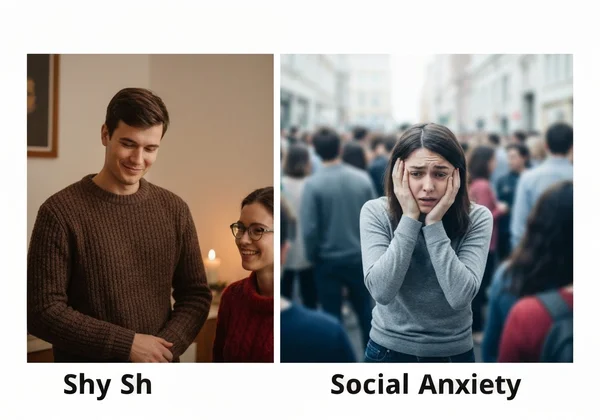
Many people wonder about the difference between being shy and having social anxiety. While they share some surface-level similarities, their impact on a person's life is vastly different. Shyness is a personality trait. A shy person might feel uncomfortable in new social situations but can typically warm up over time. The feeling is usually short-lived and doesn't provoke intense fear.
Social anxiety, on the other hand, is a mental health condition. It involves a deep-seated fear of negative judgment that can lead to complete avoidance of social situations. The physical and emotional symptoms are far more severe and can be triggered weeks before a social event. While a shy person might quietly stand in the corner at a party, a person with social anxiety might not be able to attend the party at all.
Common Signs and Symptoms of Social Phobia
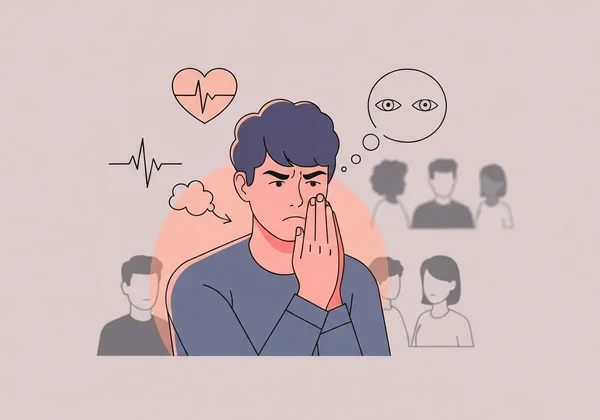
Recognizing the signs of social anxiety is a key step. These symptoms can be emotional, physical, and behavioral.
Emotional & Behavioral Symptoms:
- Intense fear of situations where you might be judged.
- Worrying about embarrassing or humiliating yourself.
- Fear of interacting with strangers.
- Avoiding situations that put you in the spotlight.
- Enduring a social situation with intense fear or anxiety.
- Spending time after a social event analyzing your performance and identifying flaws.
Physical Symptoms:
-
Blushing or flushing
-
Rapid heartbeat
-
Trembling or shaking
-
Sweating
-
Upset stomach or nausea
-
Difficulty speaking or a shaky voice
What Causes Social Anxiety? Exploring the Roots
There isn't a single cause for social anxiety. It's often a complex interplay of genetic and environmental factors. Some individuals may have an inherited predisposition to anxiety. Additionally, life experiences, such as bullying, family conflict, or public humiliation, can contribute to its development. An overactive amygdala—the part of the brain that controls the fear response—may also play a role. Understanding that these factors contribute can help reduce self-blame and open the door to compassion and healing.
Assessing Social Anxiety: The LSAS Self-Assessment
If you recognize yourself in the descriptions above, you might be looking for a way to quantify and better understand your feelings. A self-assessment can provide a structured framework for this exploration. While not a substitute for a professional diagnosis, it can offer valuable clarity and serve as a starting point for a conversation with a healthcare provider.
What is the Liebowitz Social Anxiety Scale (LSAS)?
The Liebowitz Social Anxiety Scale (LSAS) is a well-respected and widely used questionnaire designed to measure the extent of your fear and avoidance in various social situations. Developed by psychiatrist and researcher Dr. Michael Liebowitz, it has become a gold standard for assessing social anxiety. The scale covers 24 common scenarios, helping you pinpoint exactly which situations trigger your anxiety the most. You can start your self-assessment in just a few minutes.
How the LSAS Works: Fear & Avoidance Explained
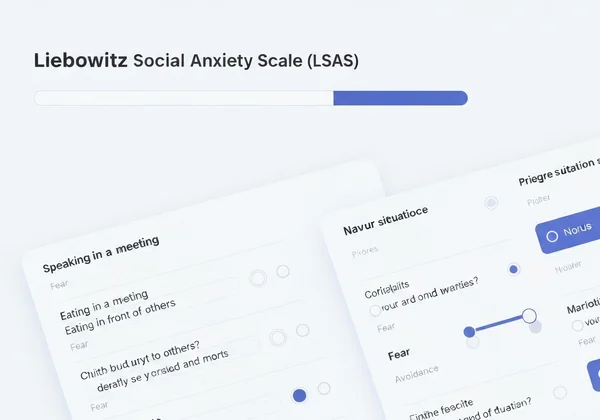
The LSAS is unique because it evaluates two critical components of social anxiety for each situation:
- Fear: How much fear or anxiety do you feel in that situation?
- Avoidance: How often do you avoid that situation because of your fear?
By measuring both fear and avoidance, the LSAS provides a more complete picture of how social anxiety impacts your life. This dual-focus helps you understand not just what you're afraid of, but also how you're coping with that fear through your actions.
Interpreting Your LSAS Score: What Do the Numbers Mean?
After completing the 24 questions on our platform, you will receive an instant score. This score combines your ratings for fear and avoidance, placing your experience on a spectrum from no social anxiety to very severe social anxiety. Understanding your lsas score meaning provides a clear, objective benchmark. It helps transform vague feelings of "being anxious" into a concrete data point that you can use for self-reflection or to share with a mental health professional.
Beyond the Score: Personalized Insights with AI
Standard scores are helpful, but your experience is unique. That’s why we offer an optional, AI-powered deep analysis report. This report goes beyond the numbers to provide personalized insights into your specific social triggers, personal strengths, and challenges. It translates your results into actionable advice, giving you a customized roadmap for growth. Explore our AI report to gain a deeper understanding of your social landscape.
Effective Strategies to Manage Social Anxiety
Receiving your LSAS score is an enlightening first step. The next is to explore strategies for managing social anxiety and improving your quality of life. The good news is that social anxiety is highly treatable. With the right tools and support, you can learn to navigate social situations with more confidence and ease.
Therapeutic Approaches: CBT and Beyond
Cognitive Behavioral Therapy (CBT) is considered one of the most effective treatments for social anxiety. CBT helps you identify and challenge negative thought patterns and behaviors that fuel your anxiety. You learn to replace irrational fears with more balanced, realistic thoughts. Other therapeutic options include Acceptance and Commitment Therapy (ACT) and exposure therapy, which involves gradually facing feared social situations in a safe environment.
Self-Help Techniques for Daily Coping
You can practice many powerful techniques on your own to manage social anxiety in your daily life.
-
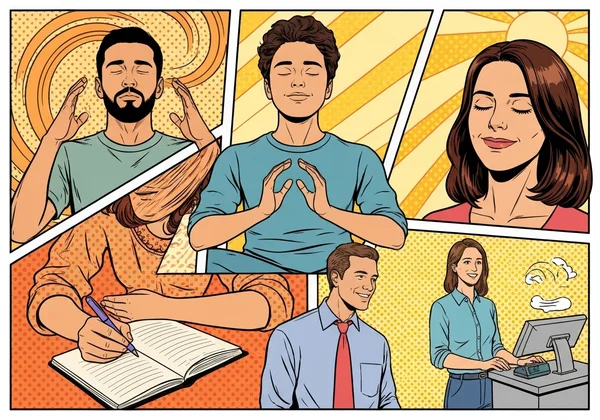
Deep Breathing: When you feel anxiety rising, practice slow, deep belly breathing to calm your nervous system.
-
Mindfulness: Focus on the present moment without judgment. This can help you detach from anxious thoughts about the past or future.
-
Challenge Negative Thoughts: When you catch yourself thinking negatively, ask yourself: Is this thought 100% true? What's a more balanced perspective?
-
Start Small: Gradually expose yourself to feared situations. Start with something that feels manageable, like making eye contact and smiling at a cashier.
Lifestyle Changes for Enhanced Well-being
Your overall lifestyle plays a significant role in managing anxiety. Regular physical activity is a powerful anxiety reducer. Aim for a balanced diet, limit caffeine and alcohol (which can trigger anxiety), and prioritize getting enough quality sleep. Building a supportive social network, even if it's just with a few trusted friends or family members, can also make a huge difference.
Navigating Specific Social Challenges (Workplace, Relationships)
Social anxiety can manifest differently depending on the context. At work, it might mean fearing presentations or speaking up in meetings. In relationships, it could involve difficulty with intimacy or meeting new people. By identifying your specific challenge areas—something the LSAS test can help with—you can target your coping strategies more effectively.
When to Seek Professional Social Anxiety Help
Self-help strategies are incredibly valuable, but it's also important to know when to seek professional support. If social anxiety is significantly disrupting your life, causing you immense distress, or preventing you from pursuing your goals, it's time to reach out.
Recognizing the Need for Expert Support
Consider seeking help if you consistently avoid important social events, if your anxiety is interfering with your job performance or education, or if you're using substances to cope with social situations. A mental health professional can provide an accurate diagnosis and create a tailored treatment plan.
Finding the Right Therapist or Counselor
Look for a therapist who specializes in anxiety disorders or CBT. You can ask your primary care doctor for a referral, check with your insurance provider, or search online directories. Finding someone you feel comfortable with is key, so don't be afraid to have an initial consultation with a few different professionals.
Your Journey to Social Comfort Starts Here
Understanding social anxiety is the first, most empowering step on the path to managing it. You've learned how to distinguish it from shyness, identified its symptoms, and discovered powerful strategies for assessment and coping. Remember, this journey is about progress, not perfection. Every small step you take toward facing your fears is a victory.
Are you ready to gain clear insight into your social comfort level? Take the free LSAS assessment now to receive your instant score and begin your journey toward a more confident social life.
Frequently Asked Questions About Social Anxiety & LSAS
What is the Liebowitz Social Anxiety Scale (LSAS)?
The Liebowitz Social Anxiety Scale (LSAS) is a 24-question assessment used to measure fear and avoidance in social and performance situations. It is a trusted tool used by researchers and clinicians to help quantify the severity of social anxiety.
How do I interpret my LSAS scores?
Your total score on the LSAS corresponds to a specific level of social anxiety, ranging from mild to very severe. Our platform provides an immediate interpretation of your score after you complete the test, explaining what your numbers mean in a clear, understandable way.
Do I have social anxiety or am I just shy?
While both involve discomfort in social settings, the key difference is severity and impact. Shyness is a personality trait that causes temporary awkwardness, whereas social anxiety is a mental health condition involving intense, persistent fear that often leads to avoidance and significantly disrupts daily life.
What is considered severe social anxiety?
Severe social anxiety typically corresponds to a high score on the LSAS. It indicates that fear and avoidance of social situations are a frequent and disruptive part of your life, significantly impacting your personal relationships, work, or education.
How can I get an LSAS score online?
You can get your LSAS score easily and for free. Simply take our confidential, 24-question test. The process is quick, and you'll receive your comprehensive score and interpretation immediately upon completion. Discover your score today.